
Top Benefits of Choosing Auto Window Tint Near Me for Your Vehicle
Understanding Auto Window Tinting
What is Auto Window Tint?
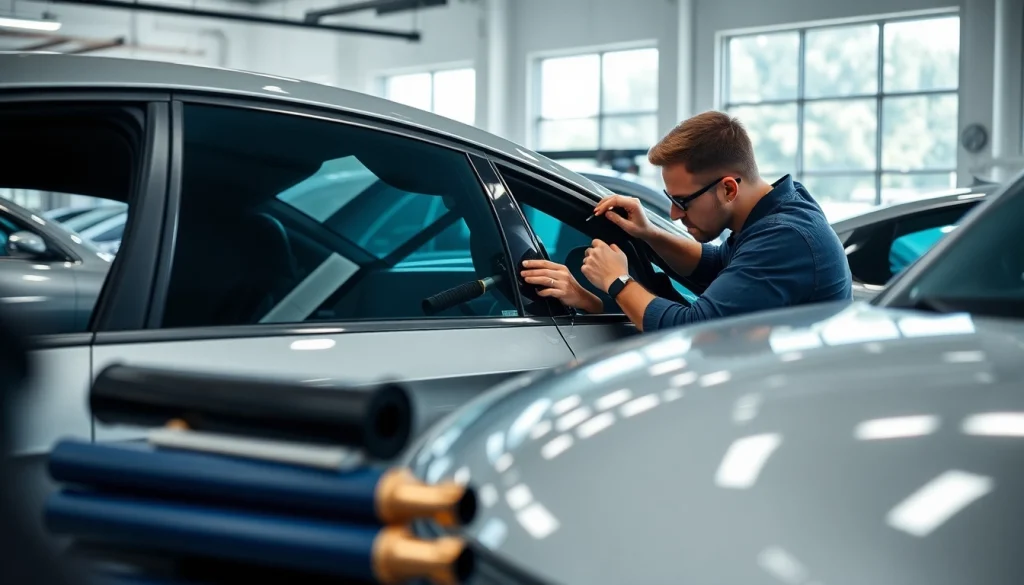
Auto window tinting refers to the application of a thin film on the windows of vehicles to reduce the amount of sunlight and heat that enters the cabin. This film, which is typically made of polyester, is available in various shades and can range from light to dark. The primary objective is to provide privacy, enhance aesthetics, and improve comfort inside the vehicle. Many car owners seek auto window tint near me to tailor their vehicles to their preferences and needs.
Benefits of Auto Window Tinting
Auto window tinting offers a plethora of benefits that extend beyond mere aesthetics. One of the most notable advantages is the level of UV protection it provides. Untinted windows allow harmful UV rays to penetrate the vehicle, potentially causing skin damage over time. With window film, it is possible to block up to 99% of these rays, safeguarding passengers and the car’s interior from fading.
In addition to UV protection, window tinting enhances safety. Tinted windows can hold shattered glass together during accidents, reducing the risk of injury from flying shards. This added layer of protection is a significant consideration for families or individuals concerned about safety.
Furthermore, auto window tinting contributes to energy efficiency. By blocking solar heat, the need for air conditioning decreases, leading to improved fuel efficiency and a more comfortable driving experience. Additionally, tinted windows can help to maintain a cooler interior, making drives on hot days more pleasant.
Types of Window Tints Available
When considering auto window tinting, it’s important to understand the various types of tints available, as each serves different purposes:
- Dyed Window Film: This type utilizes dye to absorb solar heat. It is effective in reducing glare and enhancing privacy, but it generally offers less UV protection.
- Metalized Window Film: This film contains tiny metallic particles that reflect heat and UV rays. It is more durable and offers additional protection, but its reflective quality can interfere with electronic devices.
- Carbon Window Film: Known for excellent heat rejection, the carbon tint does not contain metals, making it a non-reflective option that maintains style and privacy.
- Ceramic Window Film: The latest innovation in window tinting, this film provides superb heat rejection without affecting visibility. It is non-metallic, making it friendly to electronics and ensuring the best UV protection.
Choosing the Right Window Tint
Local Options for Auto Window Tint Near Me
Finding an efficient provider for auto window tint near me requires researching local options. Start by reading reviews, comparing pricing, and checking for certifications that indicate professionals are proficient in installation. Recommendations from friends and family can offer valuable insights into quality providers.
Many local shops often showcase previous work, allowing potential customers to gauge the quality of the film and the installation. Additionally, consider visiting stores to talk to professionals about the different types of films available and what might be the best fit for your vehicle.
Factors to Consider When Selecting Tint
When selecting the right window tint, several factors come into play that can influence your decision:
- Legal Restrictions: Understanding state and local laws is crucial because different places have specific regulations regarding how dark a tint can be. Ensure you’re compliant to avoid fines.
- Desired Privacy Level: The level of tinting you choose will impact how much privacy you have in your vehicle. Darker shades offer more privacy but may not be legal in all areas.
- Heat Rejection: If your main goal is to block heat, focus on films with high heat rejection rates regardless of their tint level. Ceramic films tend to perform exceptionally well in this regard.
- Aesthetic Preferences: While it’s essential to choose functional films, aesthetics shouldn’t be overlooked. Choose a tint that complements the design and color of your vehicle.
Legal Regulations and Restrictions
Each U.S. state has its own laws regarding window tinting, which can stipulate what percentage of light must be allowed to pass through. Understanding these regulations is crucial before applying tint to your vehicle. Commonly regulated aspects include the front windshield, front side windows, back side windows, and rear window tint limits.
Failure to adhere to these regulations can lead to fines or the requirement to remove the tint. It’s beneficial to consult local tint shops familiar with laws in your area to ensure compliance while selecting your tint.
Installation Process Explained
Preparation for Tint Installation
Before installation, proper preparation is critical for achieving an optimal finish. Begin by cleaning the windows thoroughly with glass cleaner to remove dirt, grease, and any other residues that could hinder adhesion. Any impurities left on the glass can result in bubbling or peeling after installation.
Next, ensure the vehicle is parked in a controlled environment, ideally indoors, to prevent dust or debris from settling on the freshly applied film. Prepare all necessary tools and materials, including the chosen tint film, utility knife, and squeegee.
Steps in the Installation Process
The installation process typically unfolds in several steps:
- Measure and Cut: Accurate measurements of each window are taken to cut the tint film appropriately to size.
- Apply Solution: A soapy water solution is sprayed onto the glass to allow for easy positioning of the tint.
- Place Tint Film: Carefully place the cut film onto the wet glass, adjusting it as necessary to ensure proper alignment.
- Remove Air Bubbles: Using a squeegee, gently push out the soapy water from beneath the film, eliminating air bubbles and ensuring contact with the glass.
- Trim Excess Film: Once properly positioned and smoothed, any excess film is trimmed using a utility knife for a perfect fit.
Caring for Your Newly Tinted Windows
Caring for tinted windows is essential to maintain their integrity and effectiveness. After installation, it’s recommended to avoid rolling down the windows for at least a week to allow the adhesive to cure fully. Use a soft, non-abrasive cloth to clean the windows to avoid scratching the film.
Regular maintenance involves using a mild detergent solution and a soft cloth or sponge to keep the glass clean. Refrain from using ammonia-based products, as these can cause damage to the film. Proper care not only preserves tint quality but also extends its life.
Common Questions About Auto Window Tint
How Long Does Tint Last?
The longevity of window tint can vary based on several factors, including the type of film used and environmental conditions. Quality films typically last between five to ten years, provided they are installed correctly and maintained well.
Can I Apply Tint Myself?
While it is possible to apply window tint yourself, the process can be challenging. Achieving a professional finish requires skill and experience to avoid issues like bubbling and peeling. Professional installation is typically recommended to ensure durability and compliance with local regulations.
Does Tint Affect Visibility?
While darker tints can reduce visibility, high-quality window films are designed to maintain good visibility without compromising safety. Choosing the right type of tint, especially those with high VLT (Visible Light Transmission) ratings, can help ensure clarity and comfort.
Comparing Cost and Quality
Cost Factors for Auto Window Tint
The cost of auto window tinting may vary depending on several factors including the type of film, the number of windows being tinted, and the labor involved in installation. Typically, basic dyed films are the most affordable, while ceramic films can be on the higher end of the price spectrum. It’s essential to balance cost with quality to achieve the best results.
Measuring Tint Quality
Measuring the quality of window tint involves assessing various factors such as UV protection, heat rejection capabilities, and warranty length. Quality films typically come with warranties ranging from a few years to a lifetime, indicating durability. Additionally, check for certifications from organizations that test and approve window films to ensure reliability.
Finding the Best Deals for Auto Window Tint Near Me
To find the best deals on auto window tint near me, consider seeking quotes from multiple local providers. This not only allows you to compare prices but also to assess customer reviews and satisfaction ratings. Seasonal promotions and discounts can also factor into finding the best price, so be sure to keep an eye out for these opportunities.
Frequently Asked Questions About Auto Window Tint
What benefits does window tint provide?
Window tint offers UV protection, reduces heat, improves privacy, and enhances the aesthetic appeal of your vehicle.
Is window tinting worth the investment?
Yes, especially for those seeking more comfort, privacy, and protection from harmful UV rays.
Can I use ammonia-based cleaners on tinted windows?
No, ammonia-based cleaners can damage tint films. Use mild detergents instead.
Will tinting my windows affect the resale value of my car?
Professionally installed, high-quality tint can enhance resale value; poorly done tint may deter potential buyers.
How do I know if my tint is legal?
Check with local regulations regarding allowable tint percentages to ensure compliance and avoid fines.