
Maximizing Impact in Sports Broadcasting: Strategies for Engaging Audiences
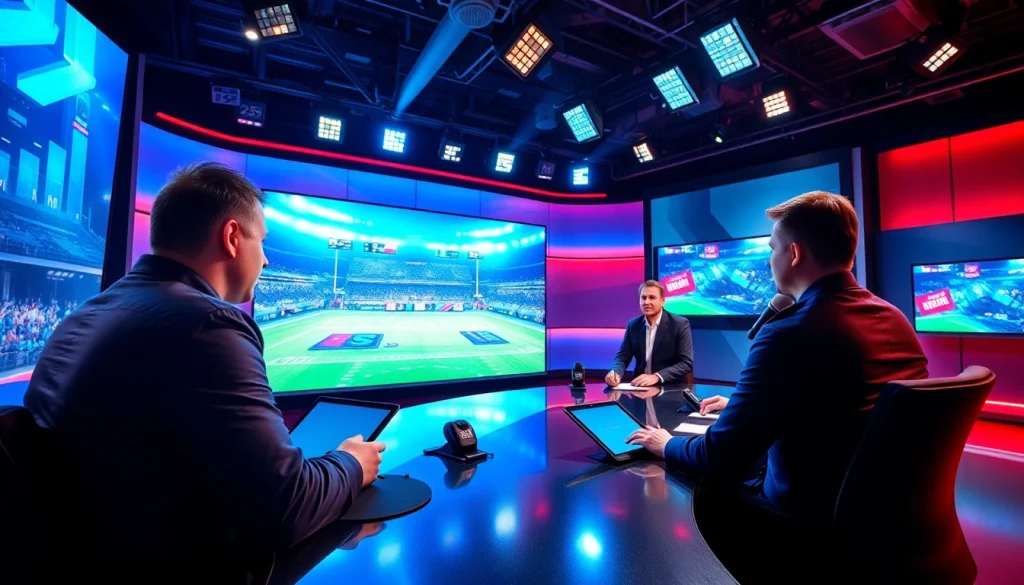
Understanding Sports Broadcasting Basics
Definition and Importance of Sports Broadcasting
Sports broadcasting refers to the distribution of sports-related content through audio and visual mediums. It plays a critical role in shaping fan experiences, informing audiences, and influencing how sports are consumed globally. With the rapid evolution of technology, Sports Broadcasting has become increasingly accessible, allowing fans to engage with their favorite teams and athletes anytime and anywhere.
Key Components of Sports Broadcasting
The primary components of sports broadcasting include commentary, visuals, graphics, statistics, and viewer interaction. Commentary provides context and excitement, while visuals capture the game’s essence. Graphics and statistics enhance understanding, offering real-time insights into player performance and game dynamics. Interaction through social media and mobile applications allows fans to engage directly, creating a more immersive experience.
Historical Evolution of Sports Broadcasting
The journey of sports broadcasting began in the 1920s with radio broadcasts. Television rapidly gained prominence in the mid-20th century, transforming how fans consumed sports. The introduction of cable television further expanded broadcasting capabilities, leading to dedicated sports networks. Recently, streaming platforms have emerged, enabling on-demand access to sports content, with significant implications for traditional broadcasting models.
Technologies Transforming Sports Broadcasting
Innovative Tools and Equipment
Advancements in technology have revolutionized sports broadcasting. High-definition cameras, drones, and virtual reality equipment are now commonplace, providing richer visuals and enhanced viewer experiences. Automated production systems streamline broadcasting processes, reducing costs and improving efficiency. Emerging technologies such as 5G are expected to enable even more seamless broadcasts, facilitating real-time data sharing and enhanced interactivity.
Impact of Streaming Platforms
Streaming platforms have dramatically changed the sports landscape, allowing fans to watch games live or on-demand without traditional cable subscriptions. These platforms offer unprecedented flexibility and often feature unique content like behind-the-scenes footage and player interviews. The rise of streaming has forced traditional broadcasters to adapt or risk losing their audience to more agile competitors.
Integrating Social Media with Broadcasting
Social media is a powerful tool in sports broadcasting, serving as both a marketing and engagement platform. Broadcasters use social media to share highlights, engage fans during games, and conduct live polls or Q&A sessions. Platforms like Twitter and Instagram allow for real-time interaction, enhancing the viewing experience and fostering a sense of community among fans.
Engagement Strategies for Sports Broadcasting
Audience Interaction Techniques
Effective sports broadcasting strategies emphasize audience engagement. Techniques include live commentary, fan polls, and gamification elements. Utilizing apps and social media, broadcasters can create interactive experiences that allow fans to influence aspects of the broadcast, such as selecting camera angles or voting for the player of the match, fostering a deeper connection to the content.
Content Personalization for Viewers
Personalization is critical in capturing viewer interest. Broadcasters can leverage viewer data to provide tailored content, such as highlighting local teams or offering personalized notifications about games. Implementing AI and machine learning can enhance this process, ensuring that content aligns with individual viewer preferences, enhancing satisfaction and loyalty.
Use of Analytics in Engagement
Analytics are indispensable in modern sports broadcasting. By analyzing viewer behavior, broadcasters can identify trends, optimize content delivery, and tailor marketing strategies. Metrics such as viewer retention rates, engagement levels, and demographic insights empower broadcasters to refine their approach, ultimately enhancing the viewer experience and increasing advertising effectiveness.
Challenges in Sports Broadcasting
Addressing Technical Issues
Technical challenges are a perennial concern in sports broadcasting. Issues like equipment failures, poor signal quality, and platform outages can disrupt broadcasts and alienate viewers. Preparing for these contingencies through rigorous testing, backup systems, and staff training is essential in maintaining high-quality broadcasts.
Navigating Copyright and Licensing Laws
Copyright and licensing present significant hurdles in sports broadcasting. Navigating these regulations requires a thorough understanding of intellectual property laws to avoid legal issues. Broadcasters must ensure proper licensing agreements are in place, not only for the broadcasts but also for any secondary content shared on digital platforms.
Maintaining Viewer Loyalty
With an abundance of entertainment options available, retaining viewers has become challenging. Broadcasters must continuously innovate, offering compelling content and engaging formats to keep audiences returning. Strategies such as exclusive interviews, in-depth analyses, and interactive segments can help foster viewer loyalty in a competitive environment.
The Future of Sports Broadcasting
Emerging Trends to Watch
The sports broadcasting landscape is rapidly evolving, with several trends set to shape its future. The integration of augmented reality (AR) and virtual reality (VR) holds potential for creating immersive viewing experiences, while advancements in AI could revolutionize content personalization and engagement. Additionally, the rise of mobile and on-demand content continues to influence how fans consume sports.
Integration of AR/VR Technologies
AR and VR technologies are paving the way for new dimensions in sports broadcasting. These technologies can offer viewers unique perspectives, such as experiencing a game from the sidelines or engaging in virtual meet-and-greets with athletes. This level of engagement not only attracts tech-savvy audiences but also enhances the overall viewer experience by creating memorable interactions.
Predictions for the Next Decade
As we look to the future, we can expect greater personalization and interactivity in sports broadcasting. The convergence of AI, data analytics, and immersive technologies will drive tailored content delivery. Moreover, subscription models may evolve with more options available for fans, allowing them to curate their viewing experiences based on preferences for teams, sports, or even specific players.
FAQs
What are the key elements of effective sports broadcasting?
Effective sports broadcasting includes clear commentary, engaging visuals, and real-time statistics to enhance viewer experience.
How has technology changed sports broadcasting?
Technology has introduced live streaming, advanced graphics, and social media integration, making broadcasts more interactive and engaging.
What role does audience feedback play in sports broadcasting?
Audience feedback helps broadcasters tailor content, improve engagement, and address viewer preferences effectively over time.
What are common challenges faced in sports broadcasting?
Common challenges include technical malfunctions, copyright issues, and maintaining viewer retention amidst changing tastes.
What can we expect from the future of sports broadcasting?
The future will likely see more personalized content, higher integration of AR and VR, and a continued shift towards digital platforms.